
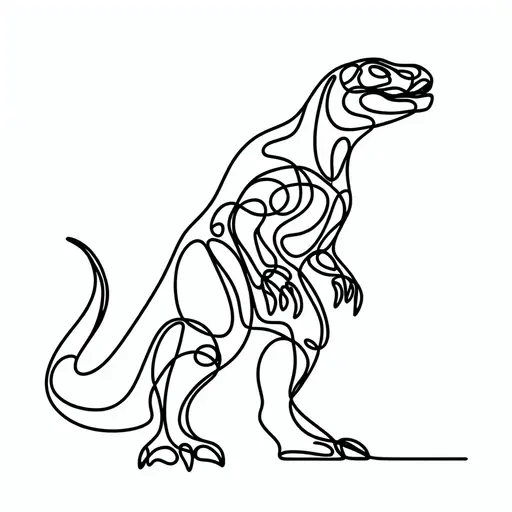
How to draw ...
godzilla
godzilla is the 73th most searched thing that people want to draw and here is how it compares to other things in Pop Culture > Characters.
But do people always want to draw godzilla?
Interest over time on "how to draw godzilla" in the U.S.
Trend
Consistent increase in search volume noted in recent years, likely due to the resurgence in popularity of the Godzilla franchise through movies and media.
And how does it compare to the most popular things to draw among Characters?

Interest over time on "how to draw godzilla" comparing to top 3 in Characters category
data from Ahrefs Keyword ExplorerWhich countries are most interested in drawing godzilla?
| United States | 🇺🇸 | 656,000 | |
| India | 🇮🇳 | 98,000 | |
| Brazil | 🇧🇷 | 97,000 | |
| Mexico | 🇲🇽 | 82,000 | |
| United Kingdom | 🇬🇧 | 79,000 |
How to draw godzilla step-by-step
Drawing Godzilla presents unique challenges due to its complex anatomy, massive size, and detailed texture. Artists must focus on capturing its iconic features, such as the towering dorsal plates and reptilian skin, which require careful rendering of scales and shadows to convey volume and movement. Strategic use of perspective is crucial to depict Godzilla's imposing presence and scale accurately. Employing techniques such as bold line work and dynamic compositions can enhance the character's powerful and menacing essence.
Here are the steps to drawing godzilla:
- Outline the Body: Begin by sketching a large, oval shape for Godzilla's torso and a smaller, rounded shape on top for the head. Draw a sweeping line for the tail extending from the bottom of the torso. Add simple lines to indicate the legs and arms, ensuring they are thick and powerful-looking.
- Define the Head and Facial Features: Focus on the head by adding a snout and jawline to the rounded shape. Draw two small eyes, and add a set of sharp teeth by drawing jagged lines along the mouth. Sketch tiny nostrils and small, pointed ears on top.
- Shape the Arms and Legs: Draw the arms protruding from the shoulders with thick, muscular shapes tapering into clawed hands. For the legs, create strong, tree-trunk-like shapes that taper into three-toed feet with pronounced claws.
- Add the Tail: Refine the tail by thickening the line you sketched earlier. The tail should be long and tapering, with a slightly serpentine shape as it curves around the body. Ensure it appears balanced with the rest of the body for stability.
- Detail the Scales and Spikes: Sketch the signature dorsal plates down Godzilla’s back, starting from the head and decreasing in size as they continue down the tail. Add triangular shapes to form these plates, with rough, jagged edges. Lightly draw overlapping lines across the body to suggest scales, adding more detail as you go.
- Enhance the Textures and Shading: Introduce shading by adding darker tones under the neck, belly, inside the legs, and beneath the tail. Use cross-hatching or different grades of pencil to create texture and depth, emphasizing muscle definition and the rugged skin.
- Finalize the Scene: Complete the drawing by adding environmental elements like smoke, fire, or cityscape elements to ground Godzilla in its classic setting, enhancing context and narrative. This helps showcase size and adds drama to the overall image.
Common mistakes
- Proportion Errors: Many artists mistakenly give Godzilla unusually small or disproportionate limbs, which can affect the creature's intimidating presence.
- Texture Details: Artists often overlook or inaccurately depict Godzilla's distinctive scaly texture, instead drawing smooth skin that lacks the creature's characteristic ruggedness.
- Facial Expression: It's common to render Godzilla with a non-threatening or overly simplistic face, missing the fierce and menacing expression typically associated with the monster.