
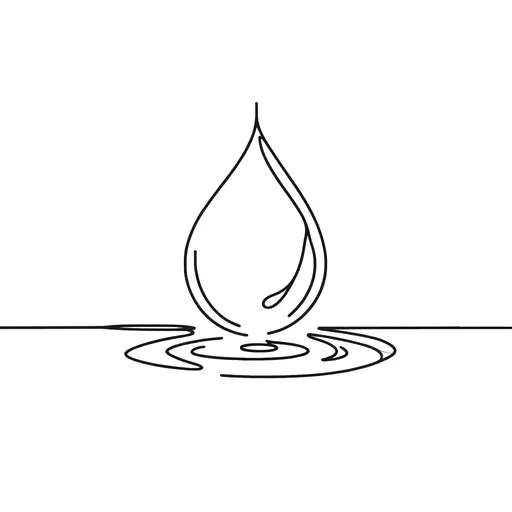
How to draw ...
water
water is the 62th most searched thing that people want to draw and here is how it compares to other things in Objects & Concepts > Other.
But do people always want to draw water?
Interest over time on "how to draw water" in the U.S.
There is a consistent drop in search volume every June, July, and August, which may indicate a decrease in interest possibly due to summer vacation periods where people are less focused on water concerns.
And how does it compare to the most popular things to draw among Other?



Interest over time on "how to draw water" comparing to top 3 in Other category
data from Ahrefs Keyword ExplorerWhich countries are most interested in drawing water?
| United States | 🇺🇸 | 550,000 | |
| India | 🇮🇳 | 302,000 | |
| United Kingdom | 🇬🇧 | 78,000 | |
| Philippines | 🇵🇭 | 63,000 | |
| Canada | 🇨🇦 | 49,000 |
How to draw water step-by-step
Water presents significant challenges in drawing due to its fluid dynamics, transparency, and reflective properties. Artists must adeptly capture light reflection, refraction, and the varying translucency to depict water convincingly. Strategies involve mastering techniques like layering to create depth and using diverse brushstrokes to represent movement and surface texture. Understanding the interplay of light and shadow is crucial for rendering the complex, ever-changing nature of water realistically.
Here are the steps to drawing water:
- Visualize the Movement: Begin by observing how water flows and moves. Think of ripples, waves, or reflections you might want to incorporate to give your drawing dynamic movement.
- Sketch the Outline: Lightly sketch the general shape or area where the water will be. This could be a puddle, a wave, a stream – whatever suits your intended scene. Use gentle curves for a natural look.
- Define the Surface Texture: Use undulating, flowing lines to represent waves or ripples on the water's surface. Vary the lines' lengths and directions to mimic natural water movement.
- Add Reflections: Consider what might be reflected on the water's surface. Lightly sketch these shapes upside-down and slightly distorted, creating a sense of reflection.
- Incorporate Light and Shadow: Identify the light source to decide where the highlights and shadows fall. Use softer or lighter shading where light hits directly and darker tones where the water is in shadow.
- Enhance Details: Add details such as bubbles, splashes, or additional ripples to increase realism. Focus on small touches that suggest texture and movement.
- Blend and Adjust: Gently use a blending tool or your finger to soften some of the harsh lines, giving a more cohesive and fluid look. Adjust highlights with an eraser for the brightest spots.
- Review and Refine: Step back and look at your drawing from a distance. Make any necessary refinements to align the elements of water more naturally. Adjust contrast or add details as needed.
Common mistakes
- Lack of Depth: Many artists forget to create a sense of depth by using varying shades and highlights, resulting in flat and unrealistic water.
- Overly Simplified Waves: Simplifying wave shapes too much can make water appear unnatural or stylized, rather than capturing its dynamic and complex nature.
- Ignoring Reflections: Failing to accurately depict reflections of objects and light on the water surface can make the scene less convincing and diminish realism.